
Why Do My Ingrown Toenail Keep Coming Back?
If your ingrown toenail keeps coming back despite home treatment or previous procedures, an underlying cause may not have been addressed. Nail shape, trimming habits, footwear, and repeated trauma can all contribute to recurring problems.
At Texas Foot & Ankle Center, Dr. Matthew Babich helps patients throughout Dallas identify the cause of recurring ingrown toenails and determine whether conservative care or a more lasting treatment approach is appropriate.
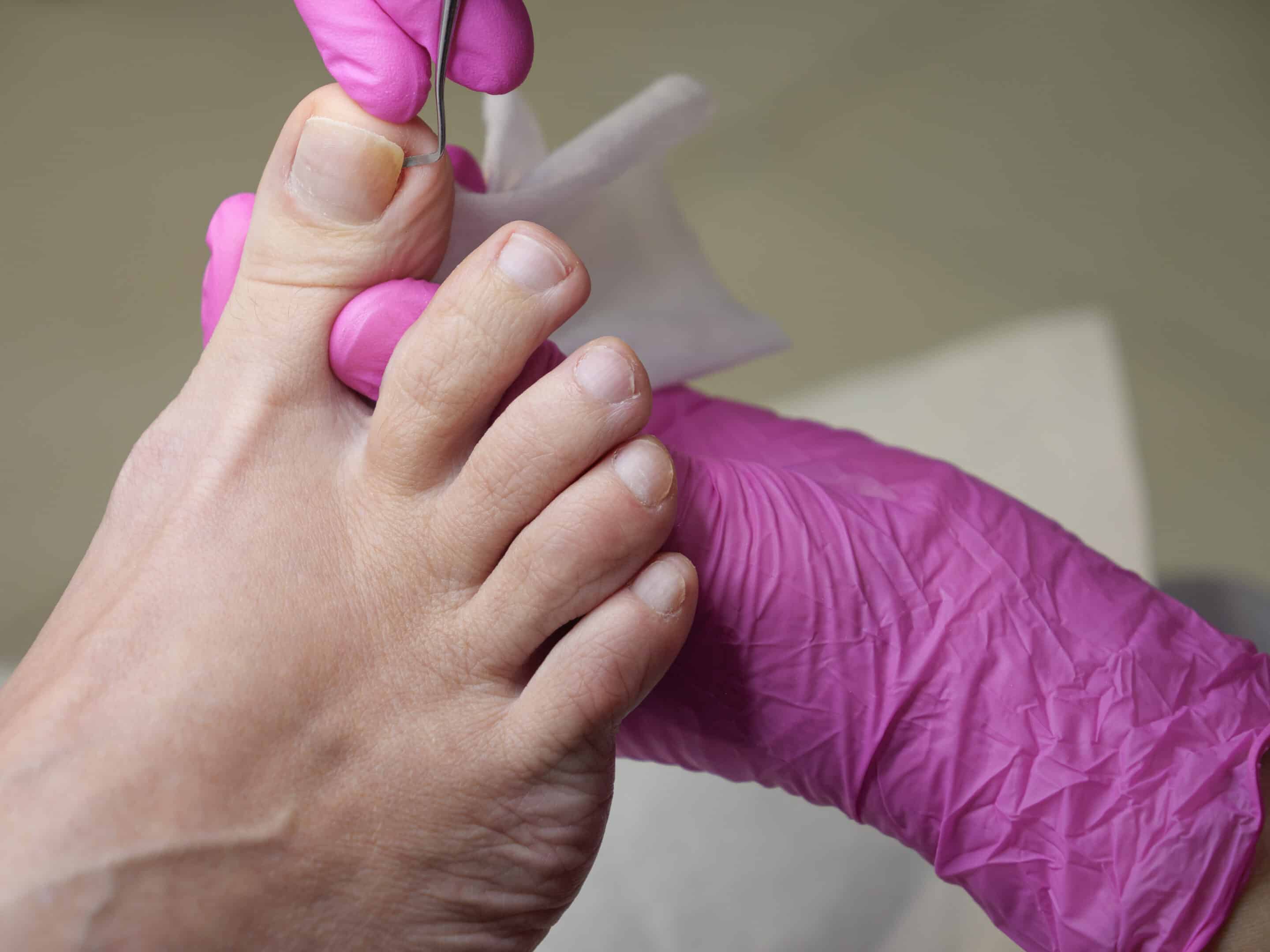
What Is a Recurring Ingrown Toenail?
An ingrown toenail develops when the edge of a toenail grows into the surrounding skin, causing pain, redness, swelling, and sometimes infection.
A recurring ingrown toenail repeatedly affects the same toe or nail edge. When inflammation continues over time, it can lead to irritated or thickened skin, drainage, and repeated infections. A chronic ingrown toenail may require professional treatment when basic home care no longer provides lasting relief.
Why Does My Ingrown Toenail Keep Coming Back?
There is rarely just one reason an ingrown toenail keeps coming back. Common causes include:
1. Your Nail Shape May Be Genetic
Some people naturally have highly curved or pinched toenails. This shape can make the nail edge more likely to press into the surrounding skin. If recurring ingrown toenails run in your family, genetics may be a contributing factor.
Trimming the nail can provide temporary relief, but it does not change the underlying shape. Severely curved nails may require professional treatment.
2. Improper Toenail Trimming
Cutting toenails too short, rounding the corners, digging into the sides, or tearing the nail can increase the risk of an ingrown toenail.
For prevention, trim toenails straight across and leave the corners visible. Avoid cutting below the surrounding skin and use properly maintained nail clippers.
3. Tight or Poorly Fitting Shoes
Shoes with narrow toe boxes can place pressure on the toenails and push the nail edge into the surrounding skin. High heels, tight dress shoes, cleats, work boots, and running shoes that are too small may all contribute.
Make sure your shoes provide enough room for your toes, particularly if you spend long periods walking, standing, or exercising.
4. Sports and Repetitive Toe Trauma
Running, soccer, basketball, tennis, football, dance, and hiking can repeatedly place pressure on the toes. Stopping suddenly, running downhill, or repeatedly hitting the front of a shoe can irritate the nail.
Texas Foot & Ankle Center also provides sports injury treatment for foot and ankle problems affecting active patients.
5. Previous Nail Injuries
Stubbing your toe, dropping something on it, fracturing the nail, or undergoing a previous procedure can change how the nail grows. In some cases, that altered growth pattern can make future ingrown toenails more likely.
6. Thick or Curved Toenails
Toenails may become thicker or more curved because of aging, repeated trauma, or fungal infections. A thickened nail can place additional pressure against the surrounding skin and make trimming more difficult.
7. Excessive Sweating and Moisture
Excessive moisture can soften the skin around the toenail and increase friction. Athletes, people who wear work boots for long periods, and those living in humid environments may be particularly prone to this problem.
8. Home Treatment May Only Provide Temporary Relief
Soaking the foot, applying appropriate ointment, or gently protecting the nail may help reduce discomfort. However, these measures do not necessarily correct the reason the nail keeps growing into the skin.
If the problem repeatedly returns, professional evaluation may provide a more lasting solution.
Signs Your Ingrown Toenail May Need Professional Treatment
Consider seeing a podiatrist if your ingrown toenail:
- Keeps coming back
- Causes increasing pain or swelling
- Produces drainage or pus
- Bleeds repeatedly
- Makes wearing shoes difficult
- Has redness spreading beyond the toe
Fever or rapidly spreading redness requires prompt medical attention.
People with diabetes or circulation problems should avoid attempting to treat a recurring ingrown toenail themselves because foot problems may require specialized care.
For evaluation and treatment options, visit Texas Foot & Ankle Center’s ingrown toenail services.
How Can I Prevent an Ingrown Toenail from Coming Back?
A few habits can lower your risk:
- Trim nails straight across: Avoid cutting them too short or rounding the corners.
- Choose properly fitting shoes: Look for a roomy toe box and replace shoes that have become too tight or worn.
- Protect your feet during sports: Wear properly fitting athletic shoes, cleats, and socks.
- Keep feet clean and dry: Wash and dry your feet regularly and inspect your toenails for changes.
- Get routine professional care when needed: People with thick nails, recurrent ingrown toenails, diabetes, or difficulty reaching their feet may benefit from professional foot care.
When Is Permanent Ingrown Toenail Removal Recommended?
If conservative care does not prevent repeated episodes, a more permanent treatment may be considered. This may be appropriate for people experiencing multiple recurrences, chronic pain, repeated infections, severe nail curvature, or difficulty walking.
One common approach is a partial nail avulsion with matrixectomy. After numbing the toe with a local anesthetic, the provider removes the affected portion of the nail and treats the corresponding nail matrix. This helps reduce the likelihood of that portion of the nail growing back into the skin.
The procedure is designed to address the recurring problem while preserving the unaffected portion of the nail in most cases.
What Happens If You Ignore a Recurring Ingrown Toenail?
A recurring ingrown toenail may continue causing pain and inflammation and can lead to granulation tissue, drainage, and repeated infections. It may also interfere with walking, exercise, work, and wearing comfortable shoes.
For people with diabetes or circulation problems, untreated foot problems can carry additional risks. Addressing recurring symptoms early can help prevent them from becoming more difficult to manage.
Frequently Asked Questions
Why does my ingrown toenail always come back?
An ingrown toenail may keep returning because of nail shape, improper trimming, tight footwear, repeated trauma, or previous nail damage. If the underlying cause remains, temporary treatments may only provide short-term relief.
Will an ingrown toenail eventually stop recurring?
It may, particularly when caused by temporary pressure or improper trimming. However, recurring problems caused by nail shape or permanent changes to the nail may continue without professional treatment.
Can genetics cause recurring ingrown toenails?
Yes. Some people naturally have more curved or pinched toenails that are more likely to grow into surrounding skin. A family history of recurring ingrown toenails may indicate a similar nail shape.
Can shoes make ingrown toenails worse?
Yes. Tight shoes and narrow toe boxes can repeatedly press against the nail and surrounding skin. Properly fitting footwear with adequate toe room can help reduce pressure.
Is it okay to keep cutting out the corner of the nail?
Repeatedly digging into the corner can irritate the skin and may make the problem worse. Instead, trim nails straight across and seek professional care if the problem continues.
When is permanent nail removal recommended?
A permanent procedure may be considered when an ingrown toenail repeatedly returns despite conservative care, particularly when there is chronic pain, infection, or significant nail curvature.
Will my nail grow back after a matrixectomy?
The treated portion of the nail is intended to grow back less or not at all. The exact result can vary, so your provider can explain what to expect based on the procedure performed.
Can I exercise after ingrown toenail surgery?
Recovery recommendations depend on the procedure and your individual healing. Your podiatrist will explain when it is appropriate to return to running, sports, and other activities.
Is permanent nail removal painful?
The toe is numbed with a local anesthetic during the procedure. Some soreness or tenderness can occur afterward, but your provider will give you specific aftercare instructions to support healing.
Find Long-Term Relief From Recurring Ingrown Toenails in Dallas
You do not have to live with repeated ingrown toenail pain and infections. Dr. Matthew Babich provides personalized treatment based on the cause and severity of your condition, from conservative care to longer-term solutions.
Learn more about foot and ankle services at Texas Foot & Ankle Center or call (214) 660-0777 to schedule an appointment.
© Texas Foot & Ankle Center. All Rights Reserved.
Web Design by CP Solutions.
Marketed by VMD Services.