
What Does Toenail Fungus Look Like? Early Signs, Symptoms & Pictures
A yellow patch, a rough edge, or a toenail that suddenly seems harder to trim can leave you wondering whether fungus is the cause. Toenail fungus commonly produces white, yellow, or brown discoloration. As infection spreads through the nail, it may thicken, break into fragments, or lift away from the nail bed.
The first signs are often easy to miss because an infected nail may not hurt. Recognizing a change early gives you an opportunity to have it evaluated before more damage occurs.
At Texas Foot & Ankle Center, Dr. Matthew Babich sees Dallas patients for fungal nail assessment and care. Your visit can help clarify why the nail has changed and which treatment approach is appropriate.
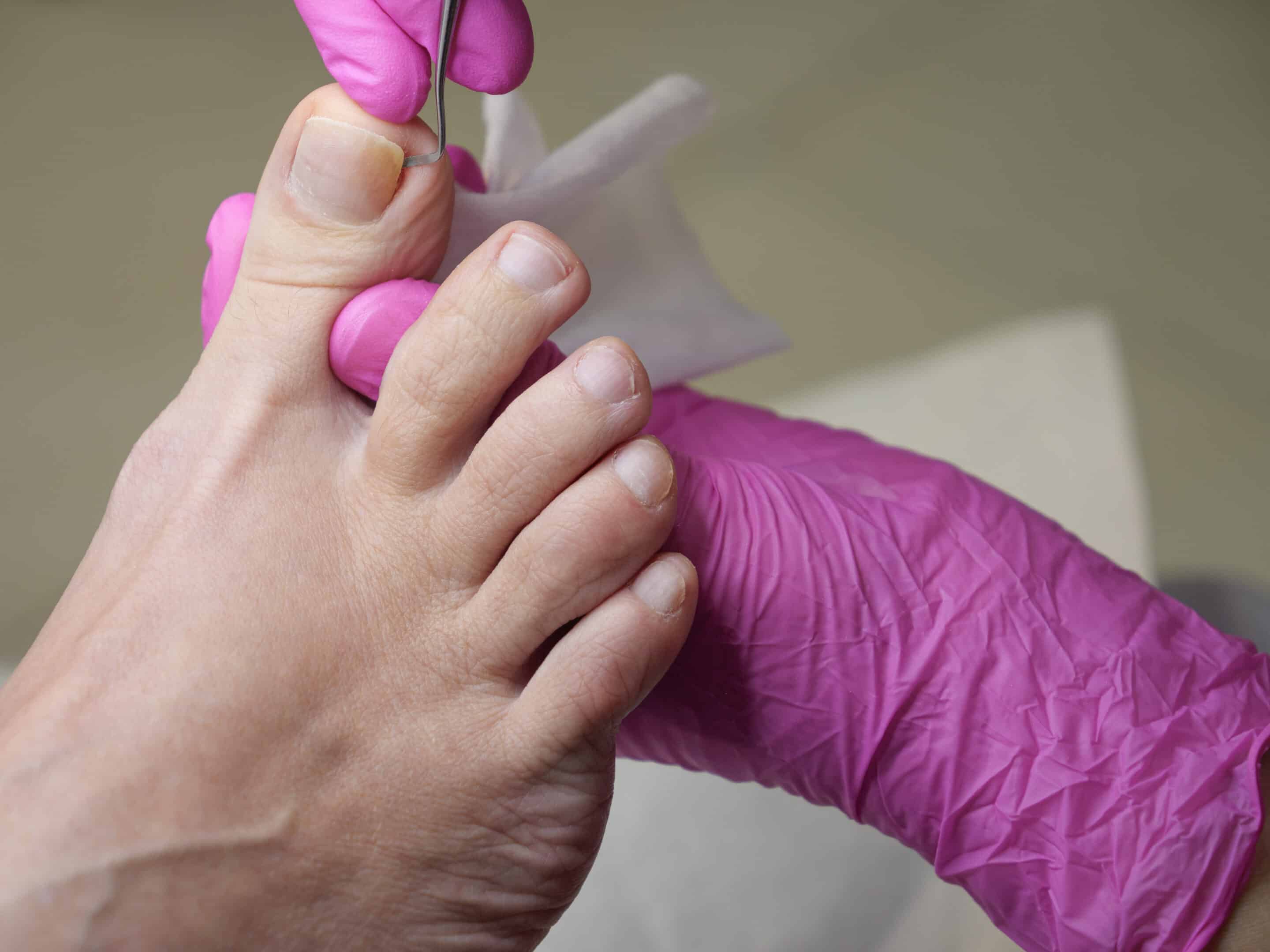
What Is Toenail Fungus?
Toenail fungus, medically known as onychomycosis, develops when fungi infect the nail or the tissue underneath it. These organisms can enter through small breaks in the nail or surrounding skin. Some of the same fungi responsible for athlete’s foot can also cause nail infections.
Toenails are affected more frequently than fingernails. Enclosed shoes can keep feet warm, dark, and damp, especially when socks remain sweaty. These conditions allow fungi to grow. The infection usually develops gradually, with changes becoming more noticeable over months or sometimes years.
What Does Early Toenail Fungus Look Like?
Early toenail fungus may affect only a small area of the nail. Watch for discoloration that remains in place, spreads, or appears with a change in texture.
Small White Spots
A small white mark near the tip or side of a toenail can be an early finding. Some infections create chalky spots on the surface. Minor injuries can also leave white marks, so a spot by itself does not confirm fungus. Have persistent or expanding changes checked.
Yellow Discoloration
At first, a yellow area may be limited to one side of the nail or the edge you trim. The rest of the nail may still look healthy. Yellow color may involve more of the nail over time, reaching closer to its base. Have enlarging discolored areas checked even if they remain painless.
White or Cloudy Nails
Some fungal infections cause the nail to look hazy, cloudy, or unusually pale. A type known as superficial white onychomycosis can create white, flaky patches on the nail’s upper surface.
Trauma and nail lifting can also cause a whitish appearance. A podiatrist can examine the nail and help determine what’s causing the change.
Signs That Toenail Fungus Is Getting Worse
As infection affects more nail tissue, the nail may thicken, lose strength, or loosen, making everyday activities like trimming your nails or wearing certain shoes more uncomfortable.
Thickened Toenails
Fungal thickening may leave a toenail too bulky for easy trimming. Added thickness can press against footwear and cause discomfort during walking. Older adults often notice thicker nails, although aging and repeated injuries can cause similar changes. Thickness alone cannot establish the diagnosis.
Brown or Dark Discoloration
Some infected nails develop brown areas or darker material underneath. However, not every dark spot is caused by fungus. Bruising, melanoma, and other disorders can produce changes in nail color. Arrange a professional assessment for new, changing, or unexplained dark areas.
Brittle or Crumbly Nails
The nail may chip during trimming, develop a ragged edge, or break into small pieces. Crumbling that starts in a corner can spread across a larger area. Do not tug off fragments, as this can injure the remaining nail or the skin beside it.
Nail Lifting (Onycholysis)
Onycholysis occurs when part of the nail separates from the nail bed. The detached portion may appear whitish or opaque, and you may notice a gap between it and the nail bed. Debris can accumulate there, and another infection may develop. Fungus is one possible cause of lifting, but injuries and skin disorders can cause it too.
Foul Odor
An unpleasant odor can accompany a damaged fungal nail, especially when debris and moisture collect underneath. However, smell cannot distinguish fungus from bacteria. If odor appears with drainage, redness, warmth, or increasing pain, seek medical care to check for a bacterial infection.
Stages of Toenail Fungus
Toenail fungus doesn’t progress the same way for everyone. However, the following stages describe some common changes as an infection becomes more extensive.
-
Stage 1: Mild Infection
- The most noticeable sign may simply be a small patch of unusual color. The nail often remains comfortable and relatively easy to trim. Evaluating a limited infection early can help you explore treatment before extensive nail damage develops.
-
Stage 2: Moderate Infection
- Discoloration becomes more widespread, and thickening or an uneven shape may appear. Pressure from shoes can begin to cause discomfort. Treatment depends partly on how much nail is affected and whether the infection involves its growth area.
-
Stage 3: Advanced Infection
- The nail may become substantially thickened, distorted, crumbly, or lifted. Several nails may be affected, and walking or wearing shoes can hurt. Extensive disease can be harder to treat because medication must reach affected tissue, and damaged nails take time to grow out.
Conditions That Can Look Like Toenail Fungus
Looking at toenail fungus pictures can help you recognize common changes, but a photograph cannot confirm the cause. Several other conditions can produce similar symptoms.
Nail Trauma
A dropped object, a stubbed toe, or repeated pressure during running can damage a nail. Bruising may look purple, brown, or black. Runner’s toe can result from the toenail repeatedly hitting the shoe.
Bruised discoloration may shift outward with nail growth, but color changes that linger or have no clear cause should be checked. Trauma and fungus can also occur together.
Nail Psoriasis
Tiny dents, altered color, a thicker or crumbling nail, and lifting from the nail bed can all occur with psoriasis. Some people also have scaly patches elsewhere on the skin, although nail psoriasis can occur without obvious skin symptoms. Tests may help determine whether psoriasis, fungus, or both are contributing before treatment is selected.
Aging Nails
Toenails naturally grow more slowly with age and may become thicker, duller, or more brittle. Yellowing and a less translucent appearance can also occur without a fungal infection.
However, older adults are more likely to develop toenail fungus, so new or worsening changes are worth having evaluated.
Bacterial Nail Infections
Certain bacteria can produce green or greenish-black discoloration, particularly beneath a lifted nail. The gap beneath a loosened nail can stay damp, allowing bacteria to multiply. Associated symptoms may include pain, swelling, discharge, or an unpleasant smell. An examination helps distinguish bacterial changes from fungus so the underlying problem receives appropriate treatment.
Melanoma Under the Nail
Although uncommon, melanoma can develop underneath a toenail or in the surrounding skin. Warning signs include a new dark lengthwise band, a band that widens or changes, or pigment extending onto the nearby skin.
Nail splitting or a growth underneath the nail can also be concerning. Have unexplained or changing dark pigmentation evaluated promptly rather than assuming it’s fungus.
Who Is Most Likely to Develop Toenail Fungus?
Fungal infections can affect anyone, but several factors increase the risk:
- Older age: Slower nail growth and changes in the body’s ability to resist infection make fungal nails more common.
- Diabetes, poor circulation, or a weakened immune system: These conditions can make infections more likely or complicate recovery.
- Sports and running: Repeated nail pressure and long periods in sweaty footwear create opportunities for infection.
- Sweaty feet: When socks remain wet with perspiration, closed footwear can hold that dampness against the toes.
- Poor shoe fit or nail injury: Openings in the nail or nearby skin can provide a route for fungi.
- Shared wet areas: Walking barefoot in public showers, locker rooms, or pool areas increases exposure to contaminated surfaces.
- Previous fungal infections: Athlete’s foot or an earlier nail infection may provide a source of fungi.
Developing toenail fungus does not necessarily mean you have neglected foot hygiene. Even people who take good care of their feet can develop an infection.
How Is Toenail Fungus Diagnosed?
Dr. Babich can examine the nail changes, check the surrounding skin, and review your symptoms and medical history. Details about earlier injuries, everyday footwear, and attempted treatments give us useful context for the nail changes.
In some cases, a nail clipping or sample of debris underneath the nail may be collected for laboratory testing. Microscopic examination can identify fungal structures, while a culture may help determine which organism is responsible.
Knowing whether fungus is responsible helps guide medication choices and separate infection from other nail conditions. This is especially relevant before oral treatment. Report earlier antifungal use, as it may influence the test findings.
When Should You See a Podiatrist?
Arrange a visit for lasting discoloration, soreness, difficulty cutting the nail, or changes spreading to other toes. A nail that lifts, hurts inside shoes, or repeatedly becomes infected also deserves assessment. An early visit may identify the problem while it still involves only a small area. Ask for guidance before aggressive clipping or filing if you have diabetes, poor circulation, or reduced sensation in your feet. Protecting the skin is especially important. Learn more about our diabetic wound care services and when foot changes need attention.
Seek prompt medical care for redness, warmth, swelling, drainage, or an open sore. Have a clinician examine any dark coloring that has recently appeared or begun to change.
How Is Toenail Fungus Treated?
Treatment is based on the extent of infection, your overall health, and medications you take. Options may include:
- Topical medication: A prescriber may select a nail solution or medicated lacquer for a mild infection or another case suited to this approach. Regular application is important, and treatment often continues for many months.
- Antifungals taken by mouth: More extensive or deeper nail infections may call for oral medication. Your prescriber first reviews your health conditions and other medicines to identify risks or interactions. Some medicines require blood testing to assess liver function.
- Professional nail reduction: Thinning or trimming excess nail material can relieve discomfort and make the infected area more accessible to medication. Trimming supports treatment but does not reliably eliminate fungus on its own.
Nail appearance improves gradually as healthier nails grow in. A big toenail can take 12 months or longer to regrow completely, even after successful treatment.
Follow-up appointments allow your provider to monitor progress and watch for signs of reinfection.
Can Toenail Fungus Go Away on Its Own?
Toenail fungus rarely disappears without treatment. Fungi may survive in or under the remaining nail after you remove a discolored edge. Washing regularly and putting on clean socks support foot hygiene, but those habits alone cannot be relied on to clear an established infection.
Delaying care may allow more of the nail or other nails to become involved. A podiatrist can confirm the diagnosis and help you decide how to manage it.
How to Prevent Toenail Fungus
Keeping your feet drier and limiting fungal contact can make infection less likely. These habits also matter after treatment because infections can return. A few simple precautions can help:
- Wash your feet and dry between the toes.
- Wear moisture-wicking socks and change them when damp.
- Choose breathable shoes with enough room for your toes.
- Dry shoes fully before wearing them again, and follow the disinfection guidance provided as part of your treatment.
- Ask your provider whether an antifungal powder would be helpful.
- Wear shower shoes in shared wet areas.
- Trim toenails straight across without cutting into the corners or cutting too short.
- Keep clippers and files for personal use, cleaning and disinfecting your tools whenever you finish using them.
- Replace shoes that cannot be adequately cleaned.
- Treat athlete’s foot promptly and inspect your toenails regularly for changes.

Frequently Asked Questions
What Color Is Toenail Fungus?
Toenail fungus commonly causes white, yellow, or brown discoloration. An affected nail may show several shades as its appearance changes. Color alone cannot confirm the diagnosis. Have new black areas or changing dark bands examined, since bruising, normal pigmentation, and other conditions can also alter nail color and may require different care.
Can Toenail Fungus Start as a White Spot?
Yes. Some infections begin with a small pale patch or chalky area on the nail. A knock to the nail can leave a pale area too. Seeing a white spot is not enough to identify fungus as the cause. Watch for spreading discoloration, roughness, thickening, or lifting, and arrange an evaluation if the change persists or becomes more noticeable.
Why Is My Toenail Yellow?
Fungus is a common explanation, especially when yellowing appears with thickening or crumbling. Polish staining, repeated nail pressure, and other nail disorders can also change the color. Arrange an assessment if lasting yellow discoloration spreads, the nail develops a different texture, or wearing shoes starts to cause discomfort.
Is Every Thick Toenail Caused by Fungus?
No. Thickening can follow repeated injury or footwear pressure, accompany psoriasis, or occur as nails age. These influences may overlap. A podiatrist can examine the nail and decide whether testing would help clarify the cause. Identifying the cause helps prevent unnecessary antifungal treatment and directs attention to the problem responsible for the thickening.
Can I Wear Nail Polish if I Have Toenail Fungus?
Before applying polish, ask your provider how it fits with your nail medication’s instructions. Polish can cover changes your provider needs to see, and directions differ among prescription products. Remove it before an examination so the nail can be assessed fully. Covering discoloration does not treat its cause or indicate that the infection is improving.
Is Toenail Fungus Contagious?
Yes. Fungi may transfer through infected skin or nails, contaminated personal items, or moist surfaces. Infection is not an inevitable result of exposure. Keeping your feet dry, using footwear in communal showers, treating fungal skin conditions, and reserving nail tools for personal use can help limit transmission to others.
Will Toenail Fungus Go Away Without Treatment?
It usually persists without appropriate treatment. Nail growth may move a discolored area outward while fungi remain in the nail or underlying tissue. Shortening the nail does not necessarily remove the fungus. An evaluation can confirm whether fungus is present, explain your treatment choices, and identify other conditions that may be contributing to the changes.
Schedule Toenail Fungus Treatment in Dallas
If you’ve noticed persistent discoloration, thickening, or crumbling, don’t assume it’s simply a cosmetic issue. These changes can have several causes, and getting the right diagnosis is the first step toward addressing them.
Fungal nail care is one of the many foot and ankle services available at Texas Foot and Ankle Center. Dr. Babich provides foot and ankle care for patients in Dallas, including evaluations and treatment for fungal nail infections.
For an appointment, send an online request or call (214) 660-0777.
© Texas Foot & Ankle Center. All Rights Reserved.
Web Design by CP Solutions.
Marketed by VMD Services.